

What Is the Difference Between Corporate Travel and Leisure Travel?
Recent Posts



What Is the Difference Between Corporate Travel and Leisure Travel?
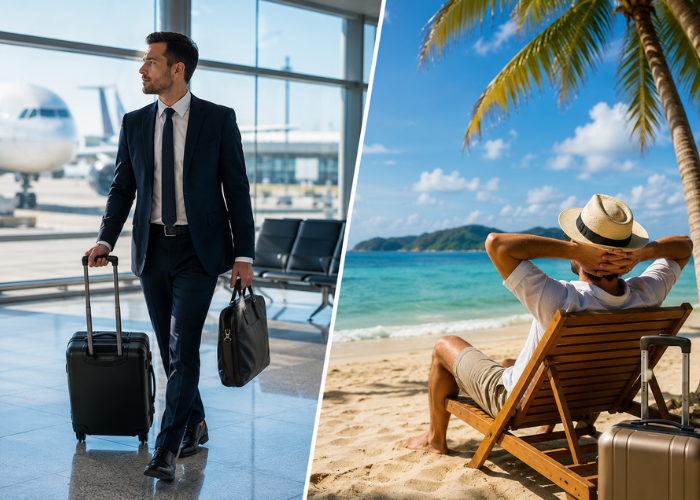
Travel may have many different meanings depending on the purpose of such travel. There are trips that are scheduled to do work; then there are those that are planned for some relaxation. This knowledge of how to distinguish between business travel and leisure travel can help businesses better manage costs, and individuals may better manage their trips.
Corporate Travel: What Is It?
Corporate travel or business travel is defined as a type of travel that is undertaken in a work-related manner. It involves visits to meetings, conferences, visits with clients, training, or company events. The workers will most likely be travelling on behalf of the organisation, and the company will most likely pay.
Such trips are most commonly scheduled with a definite plan. They have very little time and are concerned about productivity, not entertainment. Flights, hotels and transportation are usually booked in terms of convenience and efficiency as opposed to comfort or personal choice.
As an illustration, a sales executive who is flying to another city to meet a client or a team of salespersons attending a trade conference are all typical examples of corporate travel.
What is Leisure Travel?
Relaxation, enjoyment, and personal experiences are all that leisure travel entails. When people go on holidays, weekends or vacations, they do so to take a break from their routine. This is to visit new destinations, enjoy time with the family or just relax.
As compared to business trips, leisure travel is elastic. Travellers will select destinations depending on interest, budget and comfort. Leisure travel has a lot to do with activities like sightseeing, shopping, trying local food and cultural experiences.
An example of leisure travel would be a family vacation to the mountains or a trip by an individual to a beach destination.
Differences between corporate and leisure travel
Probably one of the largest distinctions is the purpose. Corporate travel is experience-driven, whilst leisure travel is work-driven. There is also a difference in time management. Business travels are scheduled to be followed, and leisure travels are more free.
The other significant difference is in the planning and expenses. Corporate travel is a common practice among companies, who will handle the booking and reimburse expenses. When travelling for leisure, one has to plan everything and pay personally.
The accommodation options vary as well. Business travellers tend to stay in hotels near meeting spots for convenience. Leisure travellers can opt to stay in resorts or homestays, as well as in unique stays.
Reports on the industry show that business travel makes a significant contribution to the global travel economy, with leisure travel making the largest contribution due to personal travel demand.
Why It Matters?
Being aware of the difference helps firms develop superior travel policies and manage expenses. It also assists the travellers in making the appropriate expectations. A business trip might not provide much time to travel and explore, and a leisure trip can offer all the freedom to enjoy.
Conclusion
Corporate travel, in simple terms is about work and responsibility, whereas leisure travel is about relaxation and enjoyment. Both are used with different applications, and they need various planning methods.
The knowledge of these differences comes in particularly handy when planning a trip to make efficient use of the time available, be it business or personal. This is where business organisations such as STG are involved in assisting to organise travel solutions that would not be confusing for various purposes.
We are the best & well known corporate travel management company in the industry and also prove it right by providing the amazing travel experience to Corporate persons. We assure that we stay with group till they reach their place and try to make their experience good.